
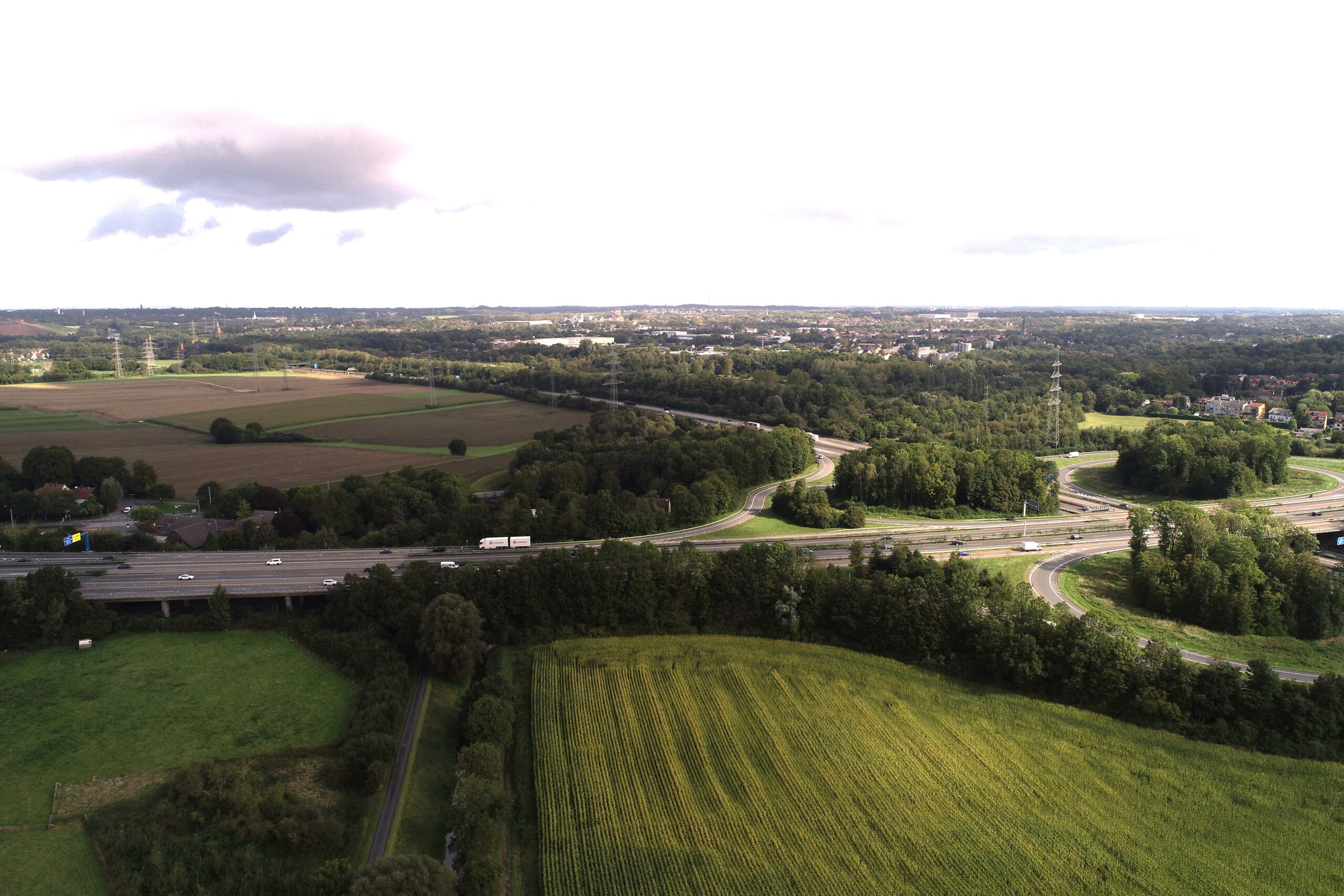
Fragmentation
Field of action:
Wilderness and Protected Areas
(Sub)contractor:
LUP GmbH
Relevance of the indicator in the context of the ANK:
The fragmentation of protected areas impairs both climate protection and biodiversity, as it disrupts the natural functioning of ecosystems. When these areas become fragmented, their ability to store CO₂ decreases. At the same time, species diversity is weakened, as many animals and plants depend on contiguous habitats. This fragmentation reduces the adaptability of ecosystems to climate change and makes them more vulnerable to further damage. In addition, the fragmentation of protected areas hinders the natural migration of species seeking new habitats due to changing climatic conditions. Barriers such as roads or settlements restrict these movements and threaten the survival of many species. Without contiguous corridors, animals and plants find it more difficult to respond to climate change, which in turn affects the stability of ecosystems and their climate protection functions.
Description of the Service:
This service is intended to help locate fragmented and therefore threatened areas so that appropriate mitigation measures can be taken to strengthen the ecosystems in the concerned area. The indicator for landscape fragmentation used by the Federal Environment Agency, which measures the proportion of contiguous, undisturbed areas, is used as a basis. In addition, the IÖR Monitor from the Leibniz Institute for Ecological Spatial Development offers several indicators for landscape fragmentation and the fragmentation of forest and woodland areas.
